Watch an elite handball bench on a match day and count the people. A head coach. An assistant or two. A goalkeeping coach. A fitness lead. A video analyst somewhere up in the stands. A team manager handling everything off the court. Each one owns a job, and each one does that job well, because it's the only job they have.
Now picture a youth coach on a Tuesday night. Same sport, same problems, one person. That's the real shape of youth handball coaching, and it's also why the next wave of AI is going to help that coach more than it helps the professional with the full staff behind them.
One coach, an entire staff
The youth coach plans the session. Then runs it. Then, if there's any time left, watches the last game back to work out why the defence kept opening up. They sort the fixtures, the transport, the registrations, and the running question of who's even available this week. They keep half an eye on which kids are growing fast and picking up niggles. They answer the parents in the group chat, chase the ones who haven't paid, and reshuffle the whole plan when four players message at 6pm to say they can't make it.
That's six or seven jobs. The elite setup hands each one to a different person. The youth coach does all of them, usually after a full day at another job, for a team of teenagers, often for nothing more than the love of it.
The real problem in youth handball coaching isn't knowledge
Here's the thing people get wrong. The assumption is that these coaches need to know more. Better drills, more tactics, the newest method.
Most of them already know plenty. Walk into a club and you'll find coaches who played at a decent level, who've done their courses, who can tell you exactly what a good U15 session should hold. Knowledge isn't the bottleneck.
The bottleneck is applying it, consistently, every single week, while doing six other jobs on no time. Knowing what a good week looks like and actually building one, on a Sunday night, after work, around who's available and what's coming up, are two very different things. One is a matter of expertise. The other is a matter of capacity. And capacity is the thing a youth coach never has enough of.
Why the pros gain less
This is also why the elite coach gets less out of AI than you'd expect. Not because they need it less in theory, but because the gap is already filled. They have an analyst who cuts the video. A fitness lead who manages the load. A manager who runs the logistics. When a tool turns up that can draft a session or flag a fixture clash, it's a small upgrade to a system that already works.
The youth coach has none of that. No analyst, no manager, no fitness staff. One person trying to be all of them. So when something arrives that can take a few of those roles off the plate, it isn't a small upgrade. It's the first real support that coach has ever had.
That's the part of the story most people have backwards. The expensive AI, the sensors and the tracking and the analyst software, was built for the level that already had support. League-wide player tracking needs hardware, integration and staff to read it, none of which a youth club has. The wave that matters for most of the sport is the cheaper, quieter one that finally reaches the coach working alone.
What AI actually takes off the plate
Be specific about it, because "AI helps youth coaches" means nothing on its own. The help isn't in the coaching. It's in the roles around the coaching.
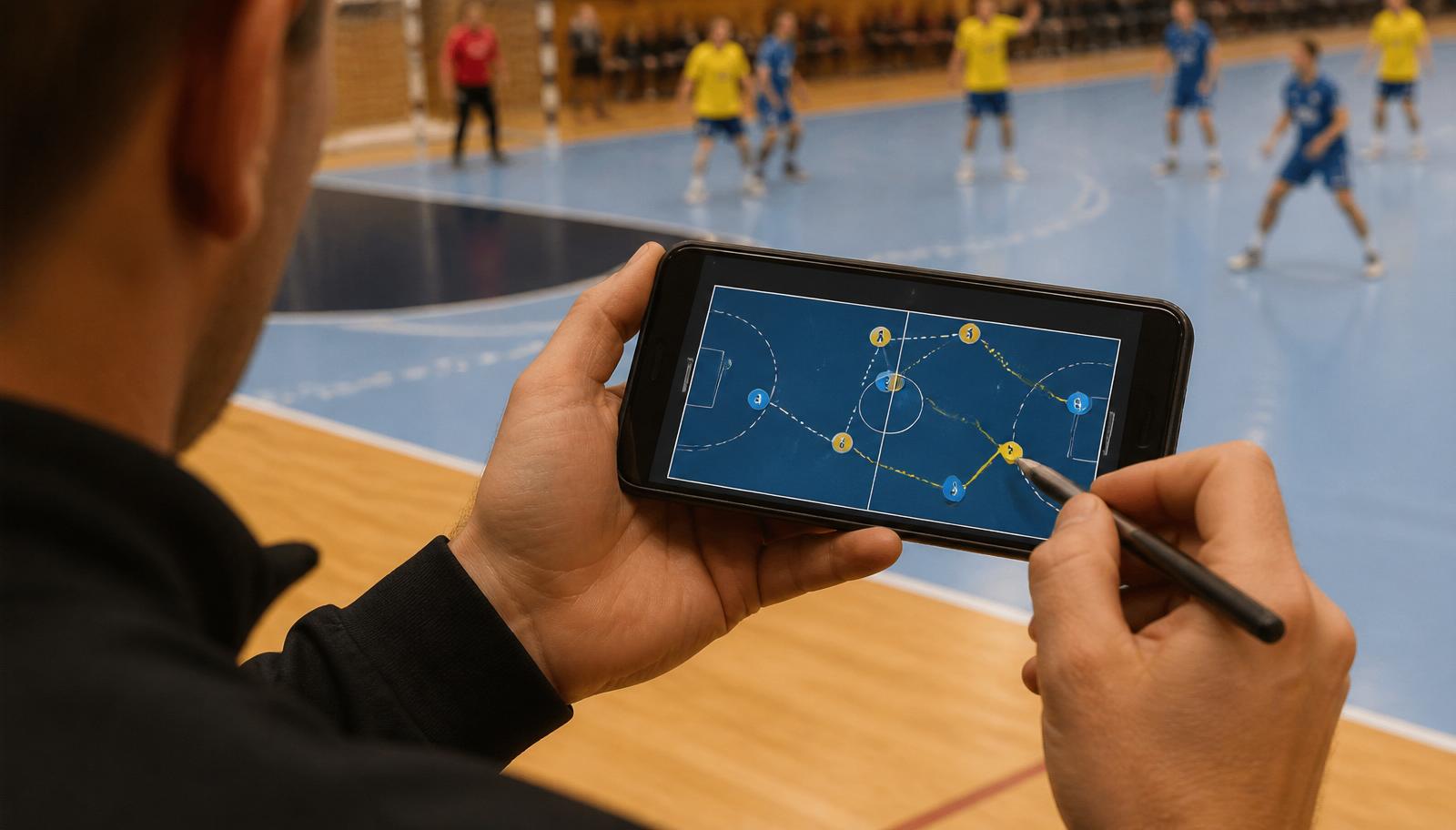
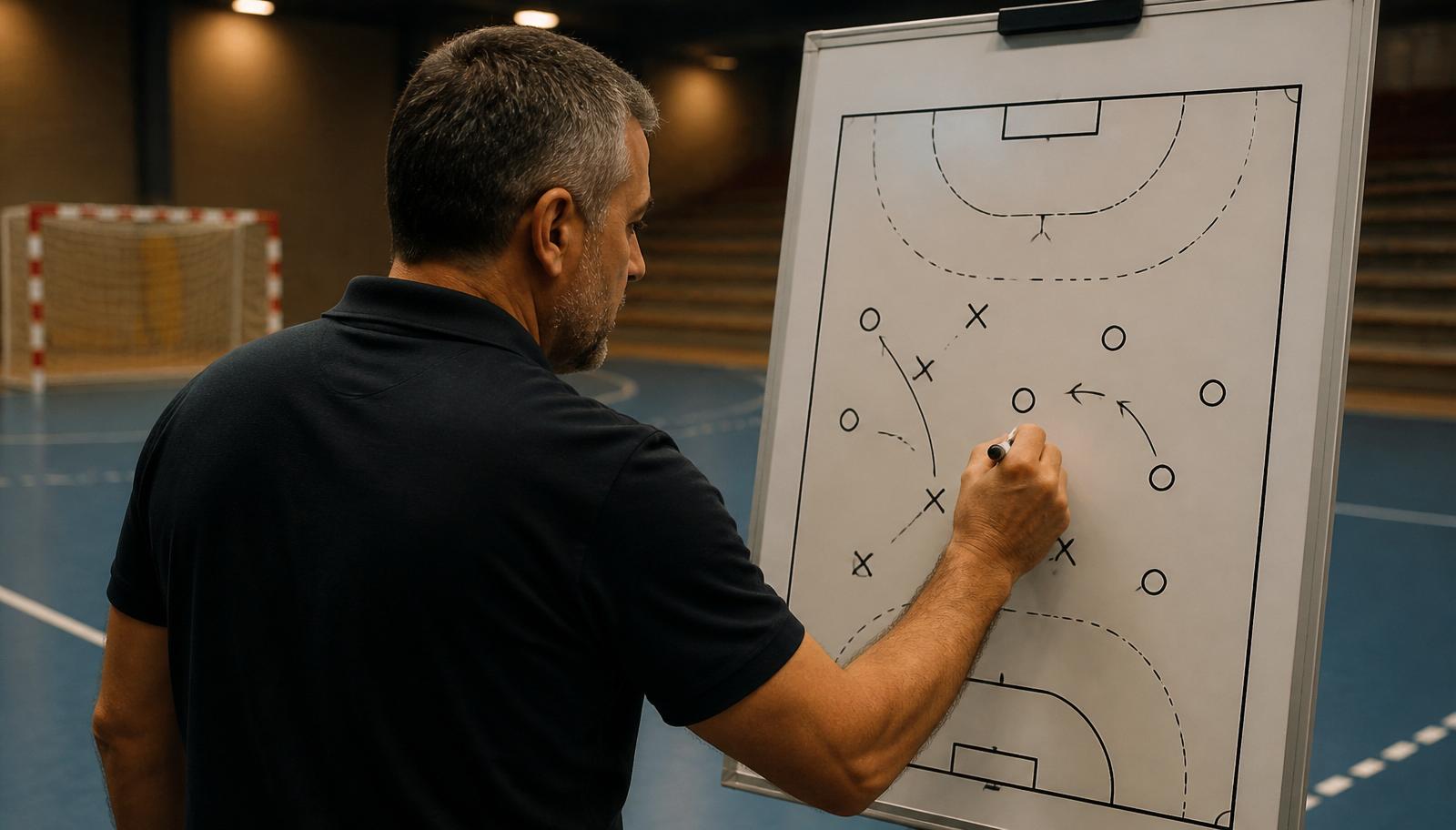
An assistant can draft the week from a real method, so the coach starts from a structured plan instead of a blank page at 10pm. It can rebuild around availability when half the squad drops out, instead of the coach redoing the session by hand. It can keep the season's plan in one place, so nothing gets lost between a notebook, a phone and three group chats. It can turn last week's match into the focus for the next session, instead of that review never happening because there was no time for it.
None of that is the coaching. It's the admin, the planning, the logistics, the version of the job that was only ever split across a staff at the top level. Take that off one person's plate and you don't get a worse coach. You get the same coach with their limited hours pointed at the part that actually matters: being on the floor with the players.
What it doesn't touch
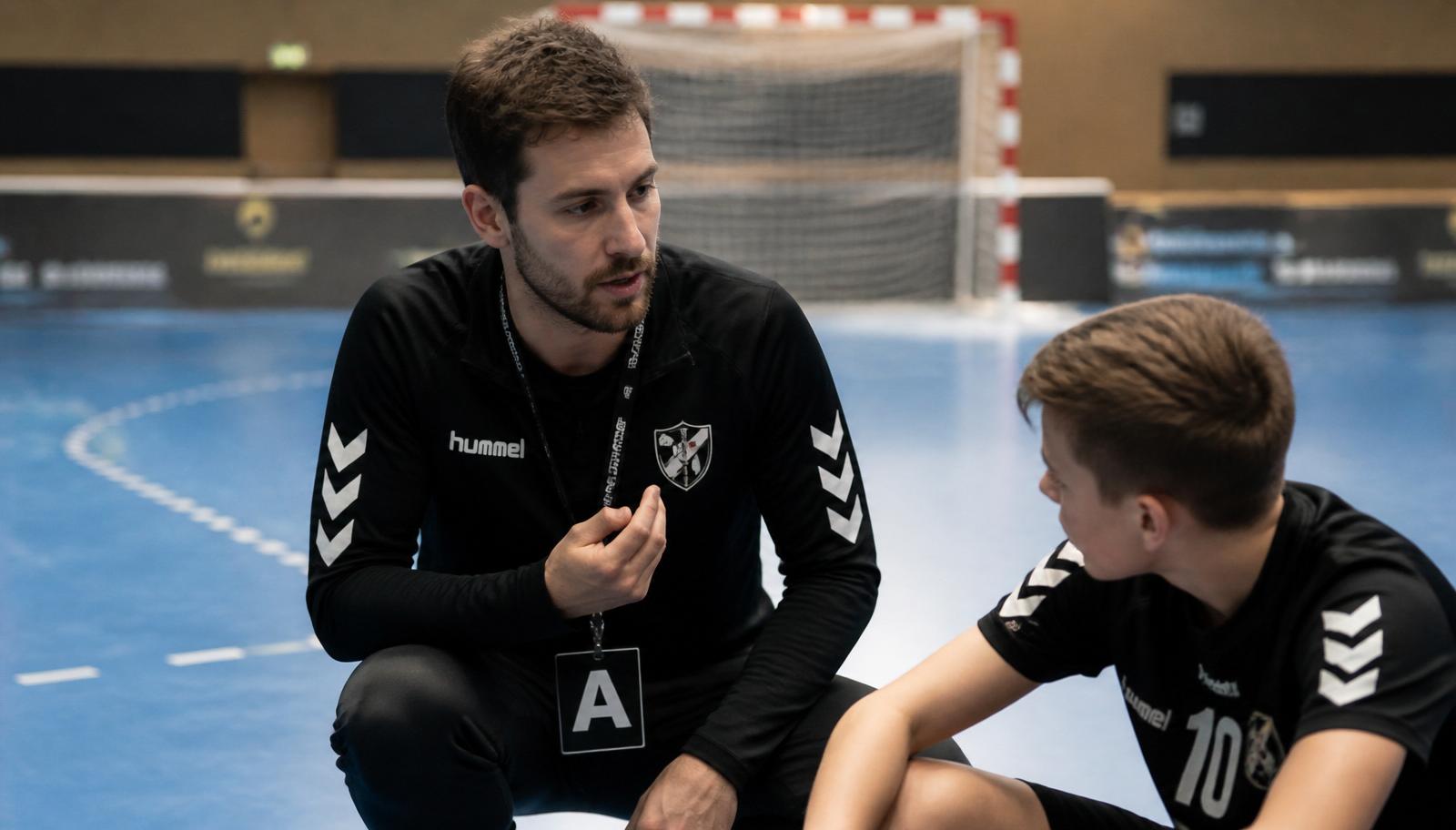
There's a clear line here, and it matters more in youth handball coaching than anywhere. An assistant doesn't decide who plays. It doesn't manage the relationship with a nervous fourteen-year-old or their anxious parent. It doesn't read the room at training and know today's the day to ease off. Those are the heart of coaching young players, and they stay entirely with the coach.
The point was never to replace any of that. It's to clear away the five jobs that aren't coaching, so the one person has the time and the head space to do the job that is.
Where this leaves you
The professional game got its support staff a long time ago. The youth game never did. That's the real reason AI lands harder here. It isn't adding to a full bench. It's giving a solo coach the structure they've been missing the whole time.
You can see the smallest piece of it now. Pick your age group and watch a full pre-season plan come together in about a minute at squadx.app/plan-builder. That's one of the roles, the planning, handed back to you already finished.
If you want the wider read, our earlier pieces cover where AI has already entered handball and what it looks like when it works with the coach instead of around them. And the full report sets out what's real, with the sources behind it.