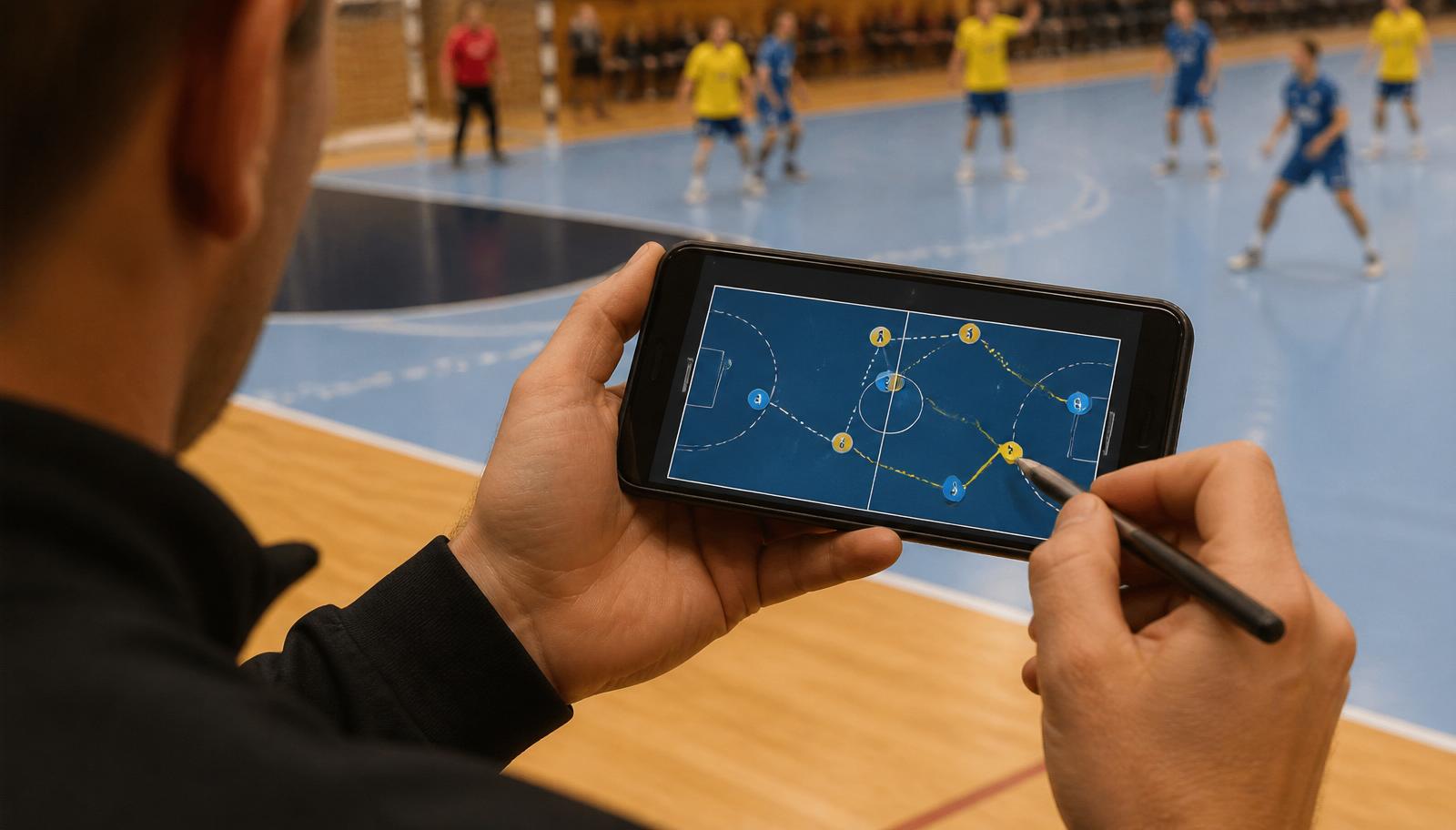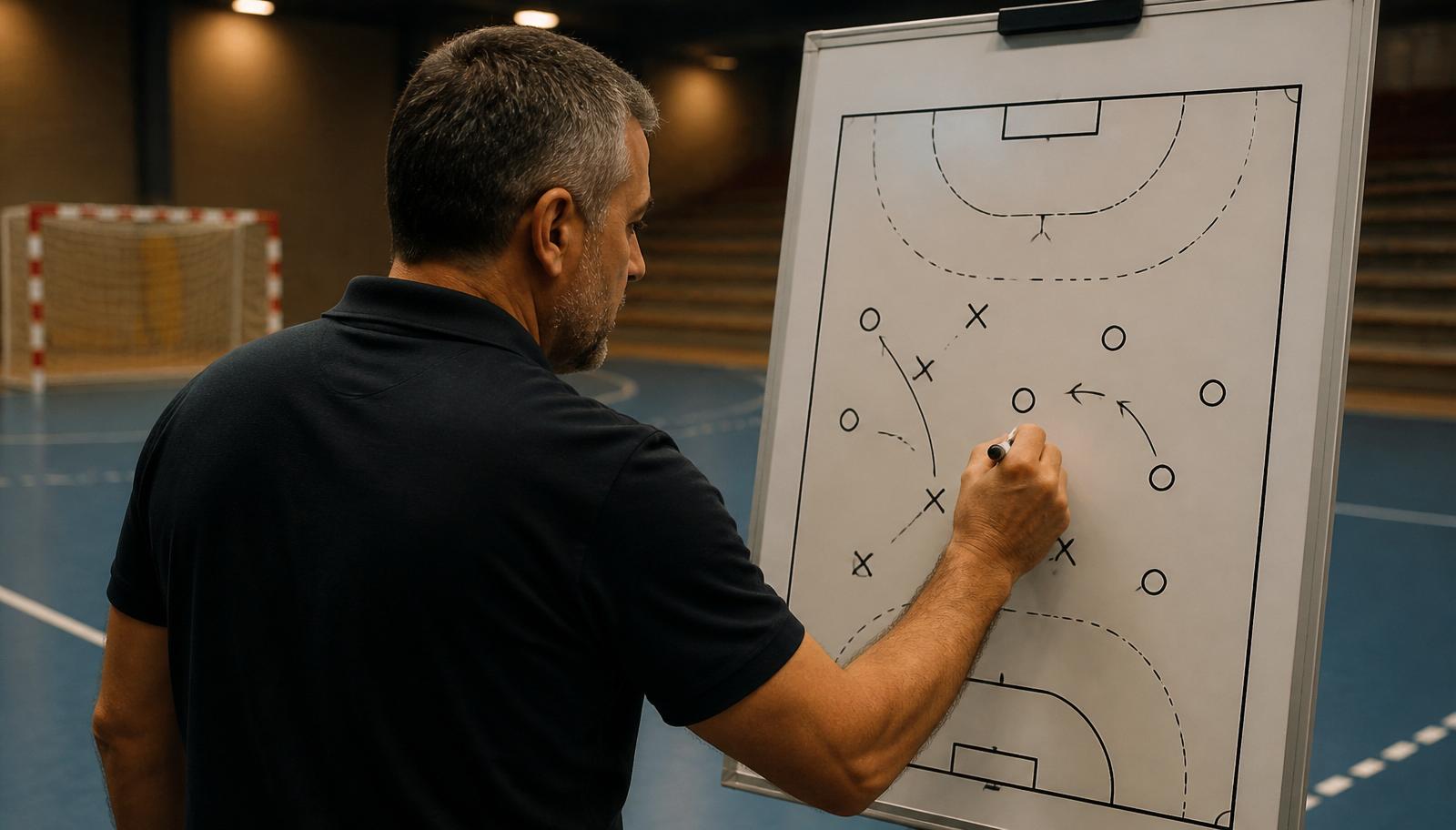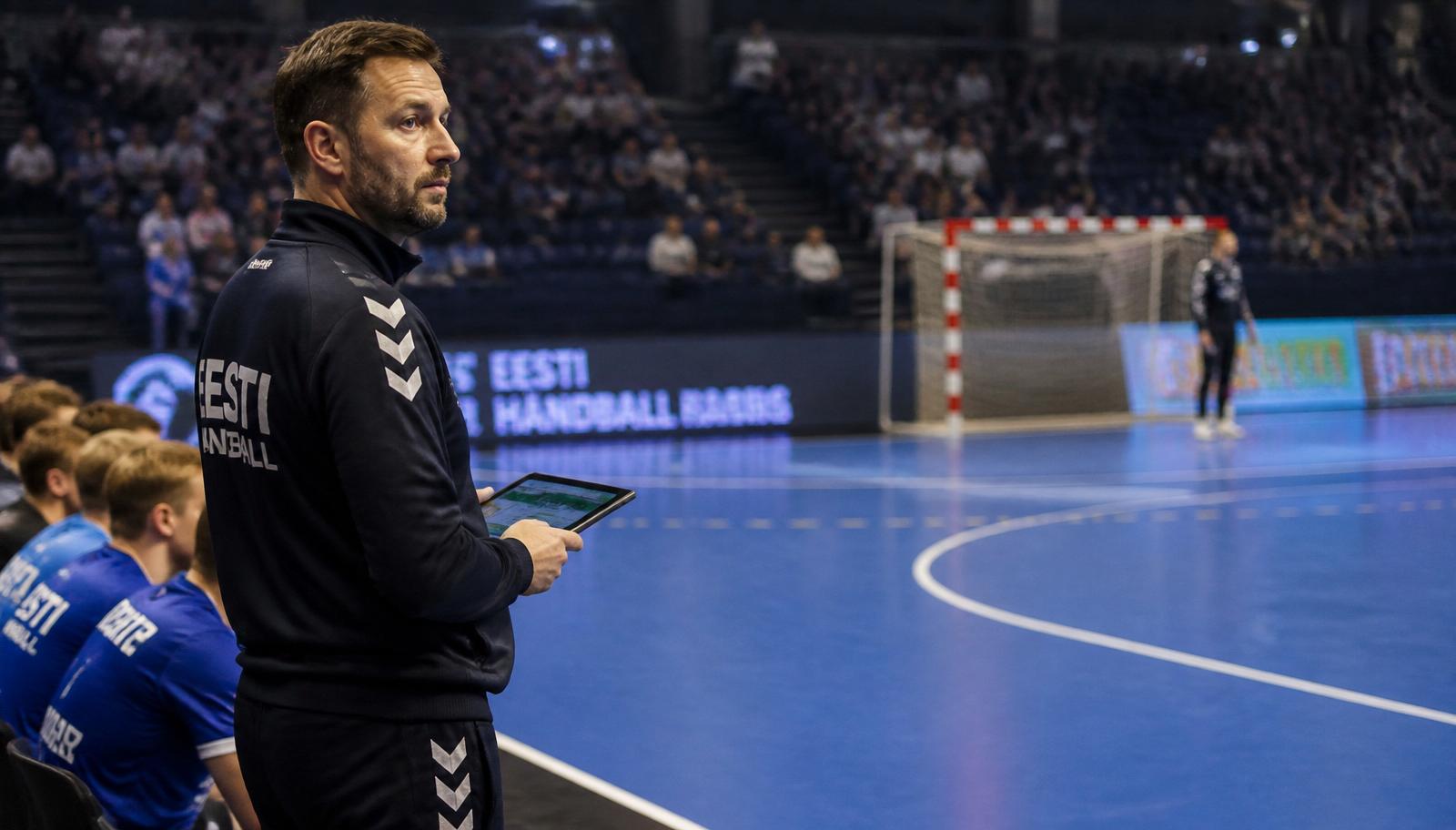
The first wave of AI in handball already happened, and most coaches barely felt it. Cameras that film matches on their own. Sensors counting every sprint. Dashboards full of numbers. All of it real, and almost none of it built for the person sitting down to plan Tuesday's session.
That's the strange thing about AI for handball coaches so far. It showed up everywhere except the coaching decision itself. The next wave is different, and it's worth understanding before you spend money on any of it.
Around the coach, or with the coach
The first wave lived around the coach. It captured the game, measured it, and put it on a screen. A camera gives you footage. A sensor gives you a load number. A platform gives you a chart. Useful work, but it stops at the edge of the actual job, which is turning all of that into what the team does next.
And it isn't small or speculative. The German league has tracked its players with sensors since 2019, on a deal that now runs through 2028/29 and covers automatic data from all 306 of its matches a season. That's the shape of the first wave: real money, real infrastructure, all of it aimed at capturing and measuring the game, and none of it aimed at the coach deciding what to do with the result.
The technology got much better at watching handball. It didn't get any better at helping you coach it. That's the line the next wave has to cross. Not more capture. Something that works inside the week, next to the coach, on the decision itself.
A generator is not an assistant
You can ask a chatbot for a handball session and get something back in seconds. It reads fine. Then you notice it has no idea your U15s play Saturday, that your two best backs are injured, or that you've spent a month building toward one defensive shape. It answered the prompt. It knows nothing about your season.
That's the gap, and it isn't a shortage of information. You already have video, attendance, match notes, a plan, a folder of drills. The shortage is anything that connects all of it to your actual next session. A generator hands you an isolated output. An assistant works inside your context. Those are not the same product, even when both of them write you a session.
What AI for handball coaches should actually do
An assistant that works with you knows the things a generator can't see: the age group, the roster, the match schedule, the method you coach by. It drafts the week off that. When a match moves or three players drop out, it changes the part that needs changing instead of rebuilding everything. It catches the calendar clash you'd have scrolled past. Then it stops, because the decision is yours.
There's a progression to this, and it's simpler than it sounds. At the basic end, it just helps you finish a task quicker. A step up, it remembers what you ran last week and starts noticing patterns across the season. Further still, it can prepare things for you to approve, like an updated draft plan or a note that a player is carrying too much load. What holds steady at every stage is the same: you review, you change what you want, you decide.
This is also why "more data" was never the answer on its own. Another dashboard with ten more metrics makes the call slower, not clearer. The job the coach needs help with isn't measuring. It's deciding.
What it should never do
There's a line worth naming. An assistant shouldn't diagnose an injury, pick the team, or judge a player's character. Those aren't features waiting in a roadmap. They're decisions that belong to a coach, and a system built properly is designed to leave them there.
The aim isn't to coach for you. It's to take the admin off your plate so you spend less time planning and more time on the floor. A coach who trusts the tool with the busywork, and keeps every real decision, gets the best of it.
Why coaches gain the most from this
Here's the part most people miss. The clubs with the most data and the biggest budgets already have people to make sense of it. Analysts, assistant coaches, fitness staff, a video department. A coach running a youth team is all of those roles at once, usually after a full day at another job.
So the wave that helps most isn't the expensive one full of sensors that was only ever going to reach the elite. It's the one that helps a single coach apply what they already know, week after week, without losing a Sunday night to it. That's a smaller idea than "AI will change the sport." It's also the one that actually lands at the level where most handball is coached.
Where this leaves you
The first era of AI in handball helped the game get recorded and measured. The next era helps you act on it, inside your own week, with the decisions still in your hands.
You can see a piece of it already. Pick your age group and watch a full pre-season plan come together in about a minute at squadx.app/plan-builder. It's the difference between a tool that writes a session and one that knows your team.
And if you want the wider read on what's genuinely working versus what's just marketing, that's what our report on AI in handball lays out, with the sources to back it.